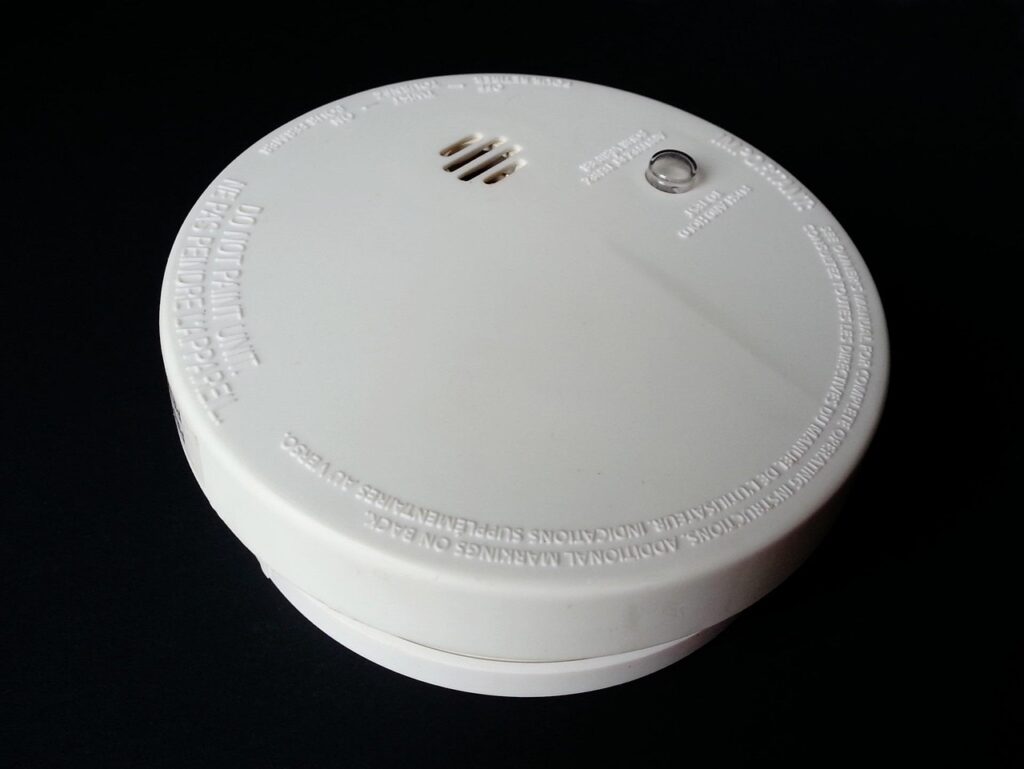
Photo by PublicDomainPictures on Pixabay
Heating Season Starts This Month
Mid-October is when many families turn the heat on for the first time since spring. A furnace, boiler or water heater that has sat idle for months, or one you have never seen before because you just moved in, deserves a quick look before the first cold night.
The biggest hidden risk is carbon monoxide (CO), a gas you cannot see, taste or smell. According to the Centers for Disease Control and Prevention (CDC), more than 400 Americans die each year from unintentional CO poisoning not linked to fires, more than 100,000 visit an emergency department, and more than 14,000 are hospitalized. Almost all of it is preventable.
For military families, the timing matters even more. The Consumer Product Safety Commission (CPSC) notes that military families move every two or three years on average, much more often than civilian families. Every Permanent Change of Station (PCS) means a new set of appliances, vents and alarms you didn’t install and may not know much about.
Where Carbon Monoxide Comes From
CO is produced whenever fuel burns. In a typical home, the usual sources are:
- Gas, oil or propane furnaces and boilers
- Gas water heaters and clothes dryers
- Gas ranges and ovens
- Fireplaces and wood stoves
- Portable generators and fuel-burning space heaters
- Cars or generators running in an attached garage
The CPSC reports that in 2020, generators were linked to more CO deaths (92) than any other consumer product, followed by portable heaters (33). If your new home is all-electric, your risk is lower, but an attached garage or a backup generator can still be a source.
Know the Warning Signs
The CDC lists the most common symptoms as headache, dizziness, weakness, upset stomach, vomiting, chest pain and confusion. They are often described as “flu-like.” One clue to watch for: if several people in the house, or your pets, feel sick at the same time and feel better after leaving home, CO could be the cause.
If a CO alarm sounds, the National Fire Protection Association (NFPA) says to move to fresh air right away, outdoors or by an open window or door. Make sure everyone is accounted for, then call for help from that fresh-air location and stay there until emergency responders arrive.
Your CO Alarm Checklist
Don’t assume the previous owner, tenant or housing office left you covered. Walk the house and check each of these:
- Placement: The CPSC and NFPA recommend CO alarms on every level of the home and outside each sleeping area. Interconnected alarms are best, because when one sounds, they all sound.
- Power: Use battery-operated alarms or plug-in alarms with a battery backup so they still work during a power outage.
- Testing: Test CO alarms at least once a month.
- Age: CO alarms wear out. The CDC suggests replacing them according to the manufacturer’s instructions or every 5 years. Many newer alarms give an end-of-life signal when it’s time.
- Batteries: A simple habit from the CDC is to check CO alarm batteries when you change your clocks in the spring and fall. Daylight saving time ends on November 1 this year.
Get Your Heating System Ready
A working alarm warns you about a problem. Regular maintenance helps keep the problem from happening in the first place.
- Schedule a yearly service: The CDC recommends having your heating system, water heater and any other gas, oil or coal-burning appliances serviced by a qualified technician every year. The U.S. Department of Energy suggests checking furnaces in the fall.
- Check the chimney: Have chimneys and fireplaces inspected and cleaned each year by a professional, as both the CDC and the U.S. Fire Administration recommend.
- Change the filter: The Department of Energy recommends cleaning or replacing filters monthly during peak heating season. A regular maintenance schedule can cut heating and cooling costs by 10 percent or more and helps your equipment last longer.
- Keep vents clear: Make sure outdoor vents for the furnace, water heater and dryer aren’t blocked by leaves, snow or stored items.
Space Heaters and Generators
Heating equipment is also a fire risk. The U.S. Fire Administration reports that heating was the second leading cause of home fires in 2021, with an estimated 32,200 home heating fires. Portable heaters were involved in only 3 percent of home heating fires but 41 percent of fatal ones.
- Give heat sources space: Keep anything that can burn at least 3 feet from fireplaces, wood stoves, radiators and space heaters.
- Turn them off: Switch off space heaters when you leave the room or go to bed.
- Never heat with the oven: It isn’t designed for that and can create both fire and CO risks.
- Keep generators outside: The CDC says to run generators only outdoors, more than 20 feet from windows, doors and vents. Never run one in a garage, even with the door open.
Renting or Living in Military Housing?
If you rent or live in privatized military housing, the owner or housing office is usually responsible for alarms and heating maintenance. Still, test the alarms yourself when you move in, and report any missing alarms, strange odors, soot around appliances or a furnace that won’t stay lit in writing right away. Keep a copy of your request.
3 Steps to Take This Week
1. Test every alarm: Press the test button on each smoke and CO alarm, and check the date on the back. Replace any CO alarm past its recommended age.
2. Book your heating service: Call a licensed HVAC technician before the first hard freeze, when schedules fill up fast. Ask them to check the venting and heat exchanger, too.
3. Walk the outside of the house: Clear leaves and clutter from vents, and pick a safe outdoor spot for your generator if you have one, well away from doors and windows.
The Bottom Line
Carbon monoxide is invisible, but protecting your family from it is simple. Working CO alarms on every level, a yearly heating checkup and a few safe habits with space heaters and generators go a long way. Whether you just arrived at a new duty station or you’re preparing your home to sell, a safe, well-maintained heating system is good for your family and for your home’s value.